Overview
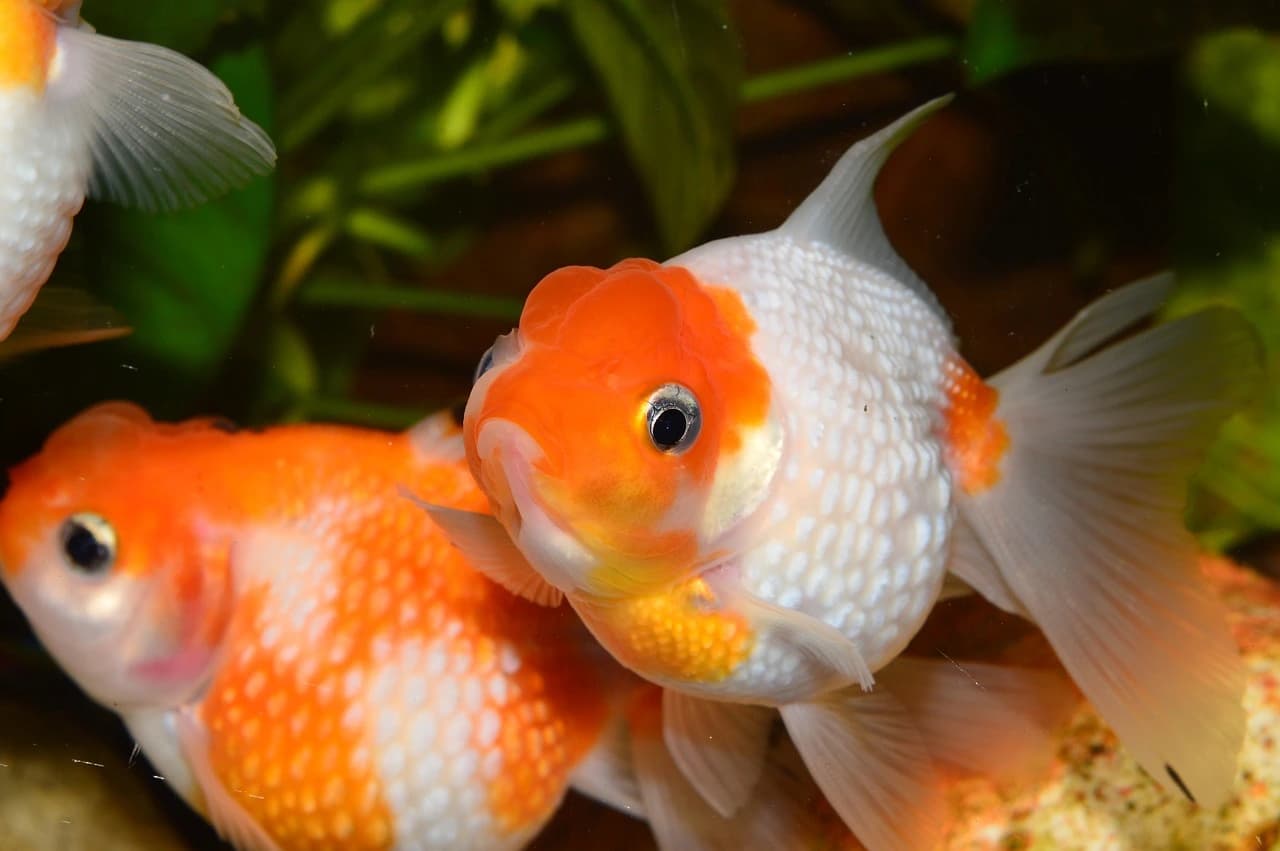
The Goldfish (Carassius auratus) is one of the most ancient and recognizable aquarium fish in the world. Its domestication history began in China over a thousand years ago, when crucian carp with unusual golden coloration were selectively bred in ponds. Over centuries, deliberate breeding produced dozens of varieties differing in body shape, fin length, and coloration: fantails, orandas, telescope eyes, ryukins, comets, shubunkins, and many more.
In the wild, the ancestral form of Carassius auratus inhabits slow-moving rivers, lakes, and ponds across East Asia, preferring still or gently flowing water with dense vegetation. Wild specimens have a nondescript silvery-olive coloration that bears little resemblance to the vibrant ornamental forms.
Adult goldfish reach 15–30 cm in length depending on the variety and keeping conditions. With proper care, their lifespan ranges from 10 to 20 years — significantly longer than most people expect when purchasing their first fish. The widespread misconception that goldfish can thrive in small bowls or round vases is a harmful myth that leads to premature death. Carassius auratus is a large, active, and long-lived fish that deserves a responsible approach to keeping.
Tank Requirements
The Goldfish is a coldwater species that does not need a heater. The optimal water temperature is 18–24°C. This coldwater nature is precisely what makes this species incompatible with most popular tropical fish, which require temperatures of 25–28°C.
The minimum tank volume for a single goldfish is 75 liters, with an additional 30–40 liters required for each subsequent fish. Long-bodied varieties (comets, shubunkins) need even more swimming space. Optimal water parameters are: pH 6.5–8.0, general hardness (GH) 5–19.
Filtration is the key aspect of goldfish keeping. These fish produce an enormous amount of waste and place a heavy biological load on the aquarium. An external canister filter rated for at least 5–8 times the tank volume per hour is recommended. Aeration is essential — while oxygen dissolves better at lower temperatures, the demands of these large fish remain considerable.
Coarse gravel or sand works best as substrate — goldfish may swallow small pebbles. Live plants are often eaten or uprooted, so hardy species (Anubias, Echinodorus) or artificial decorations are preferable. Avoid sharp objects that could damage the long fins of fantails and other delicate varieties.
Feeding and Diet
Carassius auratus is an omnivorous species with an excellent appetite and a strong tendency toward overeating. This is one of the main challenges in their care: overfeeding leads to obesity, swim bladder disorders, and water pollution.
The staple diet should consist of specialized goldfish food in pellet or flake form. Pellets are preferable, as the fish swallow less air when feeding from the surface. Soaking dry food for 1–2 minutes before offering it reduces the risk of digestive problems.
Supplement the diet with frozen or live foods: brine shrimp, daphnia, bloodworms, and tubifex. A vegetable component is essential — blanched peas (skinned), blanched spinach, lettuce leaves, and cucumber slices. Plant matter aids digestion and prevents constipation.
The optimal feeding schedule is twice daily in small portions that the fish consume within 2–3 minutes. One fasting day per week benefits the fish's overall health. Uneaten food should be removed from the tank immediately after feeding.
Care and Maintenance
Due to the heavy biological load produced by goldfish, regular tank maintenance is vital. Weekly water changes of 25–30% are the minimum, and densely stocked tanks may require 40–50%.
Monitor water parameters regularly using test kits: ammonia and nitrite levels must remain at zero, and nitrates should stay below 20–30 mg/L. Elevated readings indicate insufficient filtration or overstocking.
Clean the filter regularly, but never rinse filter media under tap water — use drained tank water to preserve beneficial bacteria colonies. Gravel vacuuming during each water change helps remove accumulated waste.
Goldfish are susceptible to several diseases: ich (white spot disease), swim bladder disorders, bacterial fin infections, and fungal conditions. The best prevention is stable water parameters, proper nutrition, and the absence of stress factors. When purchasing new fish, a quarantine period in a separate tank of at least two weeks is mandatory.
Compatibility
Goldfish are an exceptionally peaceful species (aggression level 1 out of 5), yet their compatibility with other fish is primarily limited by temperature requirements. As a coldwater species, they are incompatible with the vast majority of tropical fish.
The best tankmates for goldfish are other goldfish of the same variety. It is important not to mix fast, long-bodied forms (comets, shubunkins) with slow, short-bodied ones (telescope eyes, orandas), as the latter will lose out in competition for food.
Among other species, White Cloud Mountain Minnows (Tanichthys albonubes) make suitable companions — they are peaceful coldwater fish that tolerate the same temperature range. Certain species of loaches and freshwater snails are also compatible.
It is strongly advised against keeping goldfish with tropical species (barbs, tetras, cichlids), aggressive fish, or small species that a large goldfish could swallow. Shrimp will also become easy prey.
Breeding
Breeding goldfish is not particularly difficult (difficulty level 2 out of 5) and is accessible even to beginners. Fish reach sexual maturity at 1–2 years of age. Distinguishing males from females outside the breeding season is challenging, but during spawning season, males develop characteristic white tubercles on their gill covers and the leading rays of their pectoral fins.
To stimulate spawning, simulate a spring warm-up: first keep the fish at a reduced temperature of 14–16°C for several weeks, then gradually raise it to 20–22°C. Increasing the photoperiod and offering generous amounts of live food also promote breeding readiness.
Carassius auratus are typical egg scatterers that deposit their eggs among plants. Set up a spawning tank of at least 40 liters with fine-leaved plants or artificial spawning substrates. A female can lay anywhere from several hundred to several thousand eggs in a single spawning event.
After spawning, the adults must be removed immediately — they will readily eat their own eggs. Incubation lasts 4–7 days at 20–22°C. The newly hatched fry should be fed infusoria or specialized liquid fry food for the first few days, then transitioned to baby brine shrimp nauplii. Fry grow quickly and begin developing their characteristic coloration by 2–3 months of age.